hospitality

Hotel & Tourism Services

Hotel & Tourism Services

In lobby, employee in tuxedo reviews inventory of bookings. Hotel administrator working as lodging manager and dealing with room reservations on papers. Bellboy handles list of guests.

Key aspects include:

Hotel operations

Management of different hotel types (luxury, budget), front desk operations, housekeeping, food and beverage services.

Tourism services

Tour packages, destination marketing, travel agents, guided tours, activity planning, and transportation arrangements.

Customer experience

Guest satisfaction, service standards, personalization, loyalty programs.

Sustainability in tourism

Eco-friendly practices, responsible tourism, cultural sensitivity.

Hotel & Tourism Services

vecteezy_a-beautiful-sunset-over-a-river-with-palm-trees-ai-generated_33375713

Refers to the Services encompassing the provision of accommodation in hotels, alongside other related travel services like tour operations, transportation, and activities, all aimed at facilitating a tourist's experience at a destination; essentially, it's the broader field of hospitality within the context of travel and tourism, and event planning

The hospitality and tourism industry is a vast sector that includes all the economic activities that directly or indirectly contribute to, or depend upon, travel and tourism; encompassing elements like hotels, restaurants & transportation services.

realeststeInv

Real Estate Investment

Real Estate Investment

business-people-3468241_1920

Our services are limited to several types of real estate investments, most of which are divided into two categories: physical real estate investments such as land and residential and commercial properties. We also contribute to providing five main categories of real estate, which include residential, commercial, industrial, raw land and special uses.

Real Estate Investment

vecteezy_unique-and-luxurious-modern-house-featuring-sleek_53286201

Investing in real estate includes buying a house, a property for rent or land. We are well aware of the importance of all of this, so we always strive to develop this sector and fill the gap and fill the shortage, as this section is very important and we pay great attention to it

realestste

Real Estate Construction & City Building

Real Estate Construction & City Building

vecteezy_modern-architecture-surrounded-by-trees-and-a-bright-blue-sky_54742945

Sustainable development includes:

Green buildings

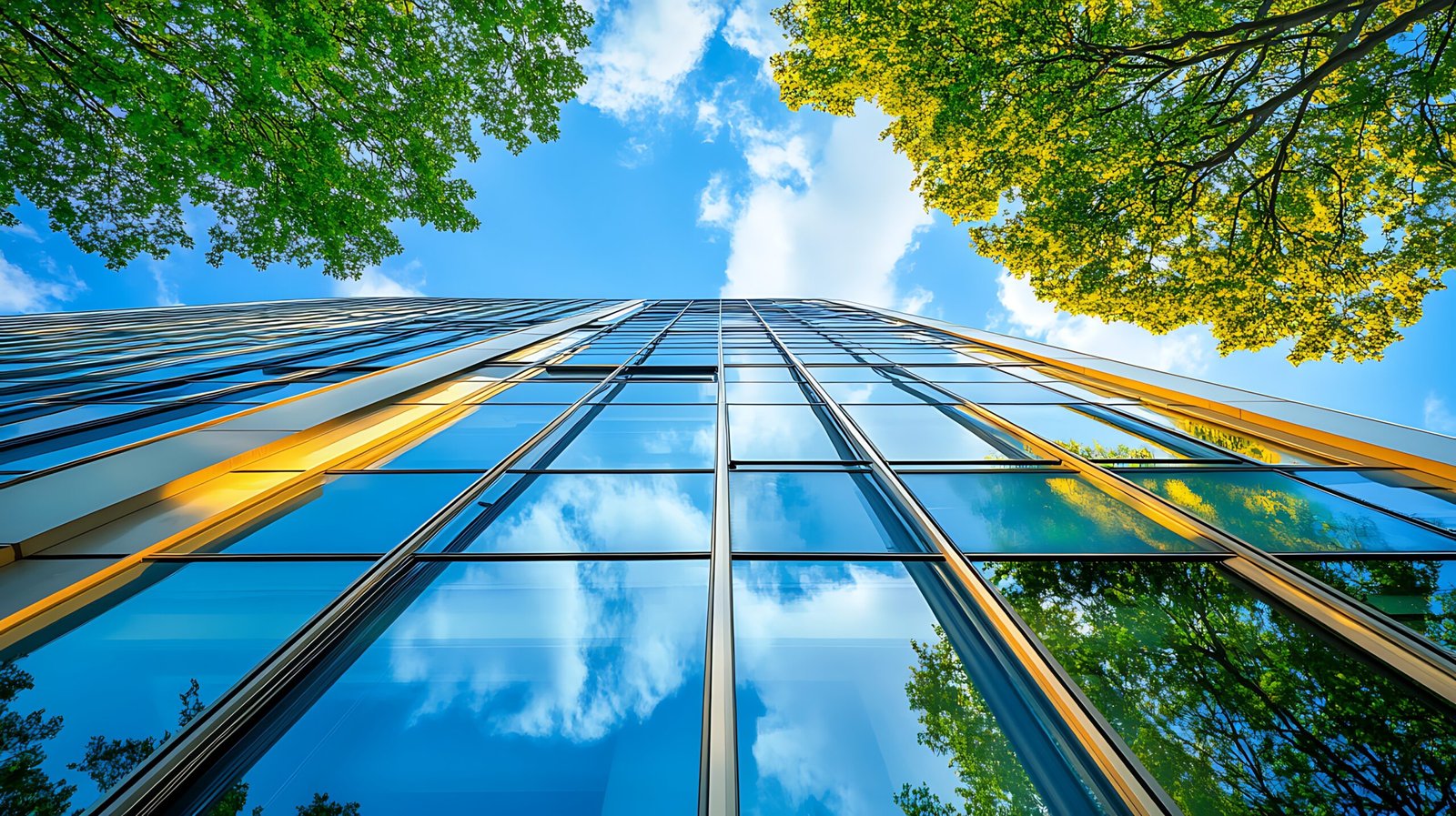
Using environmentally friendly designs and energy-efficient buildings.

Renewable energy

Using renewable energy sources in urban development.

Policies

Developing policies to promote affordable housing.

Urban planning.

Smart cities

Using advanced technologies to enhance urban resilience and efficiency.

Urban densification

Increasing the density of urban areas to create new development

Real Estate Construction & City Building

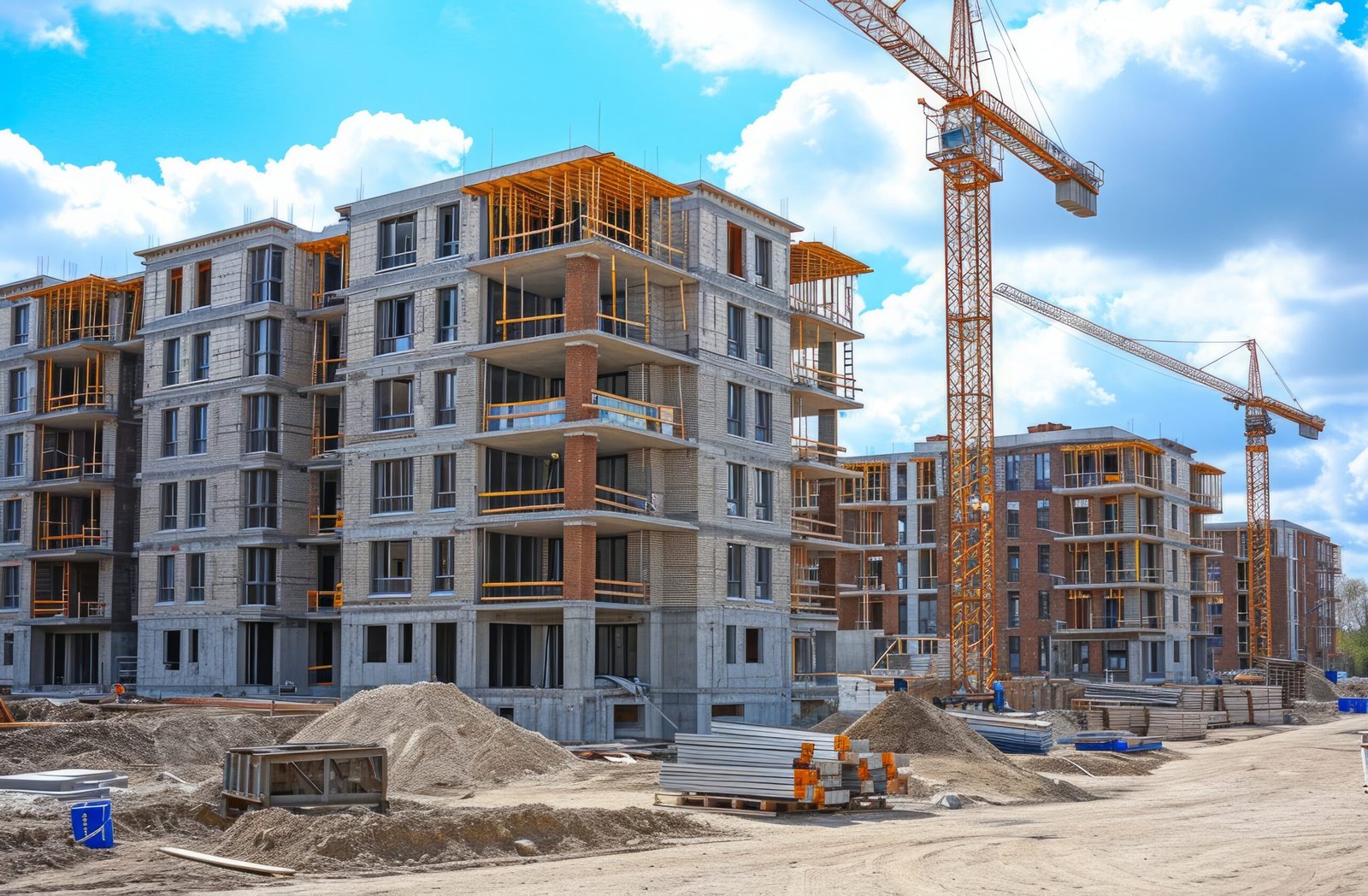
construction of new apartment buildings.

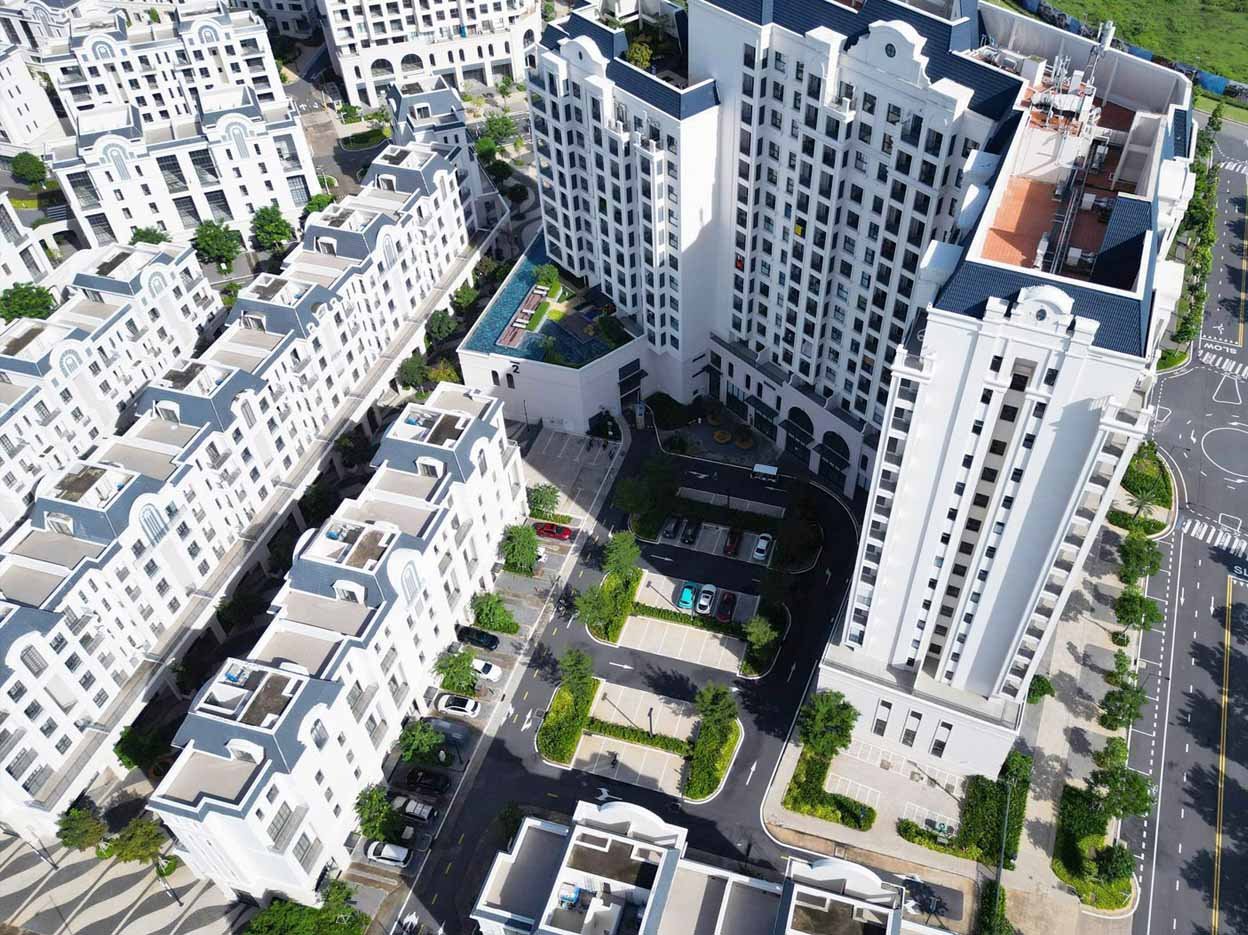
Today, more than 50% of the worlds population lives in urban areas or cities, and by 2045 the world›s urban population will increase by 1.5 times to 6 billion people, which means that we must move quickly to plan for growth and provide the basic services, infrastructure and affordable housing that the growing population needs. But has it always been this way? How did cities get to where they are today? How does this real estate development affect real estate investments? We know very well that cities are incubators for everything different in humanity, and we find diverse veins and roots that tell stories of moving from one place to another for the better. Therefore, we seek to spread sustainable development, affordable housing, and city planning through real estate construction and city building.

We provide optimal quality through innovation and integration of leading-edge global technologies and bring in leading edge technologies from the best in the world, as with all areas of the industry, there is a need always for lower-cost road construction methods, one route would be reduced maintenance requirements, which would both reduce operating costs and minimize traffic disruption on congested networks.

A miniature house is placed on a towering pile of currency, illustrating the concept of wealth and real estate investment.
airport

Airport Construction

Airport Construction

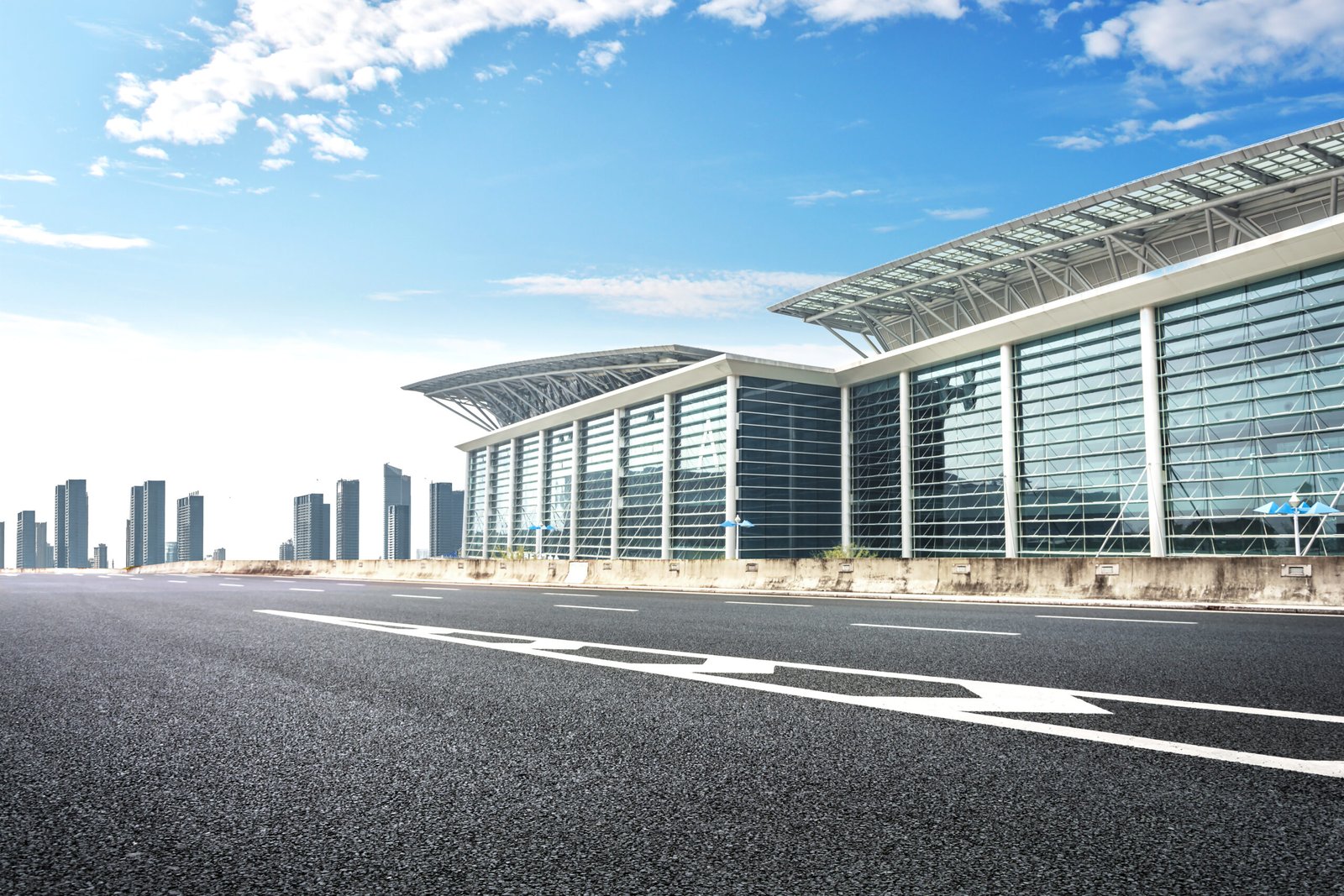
way to modern city

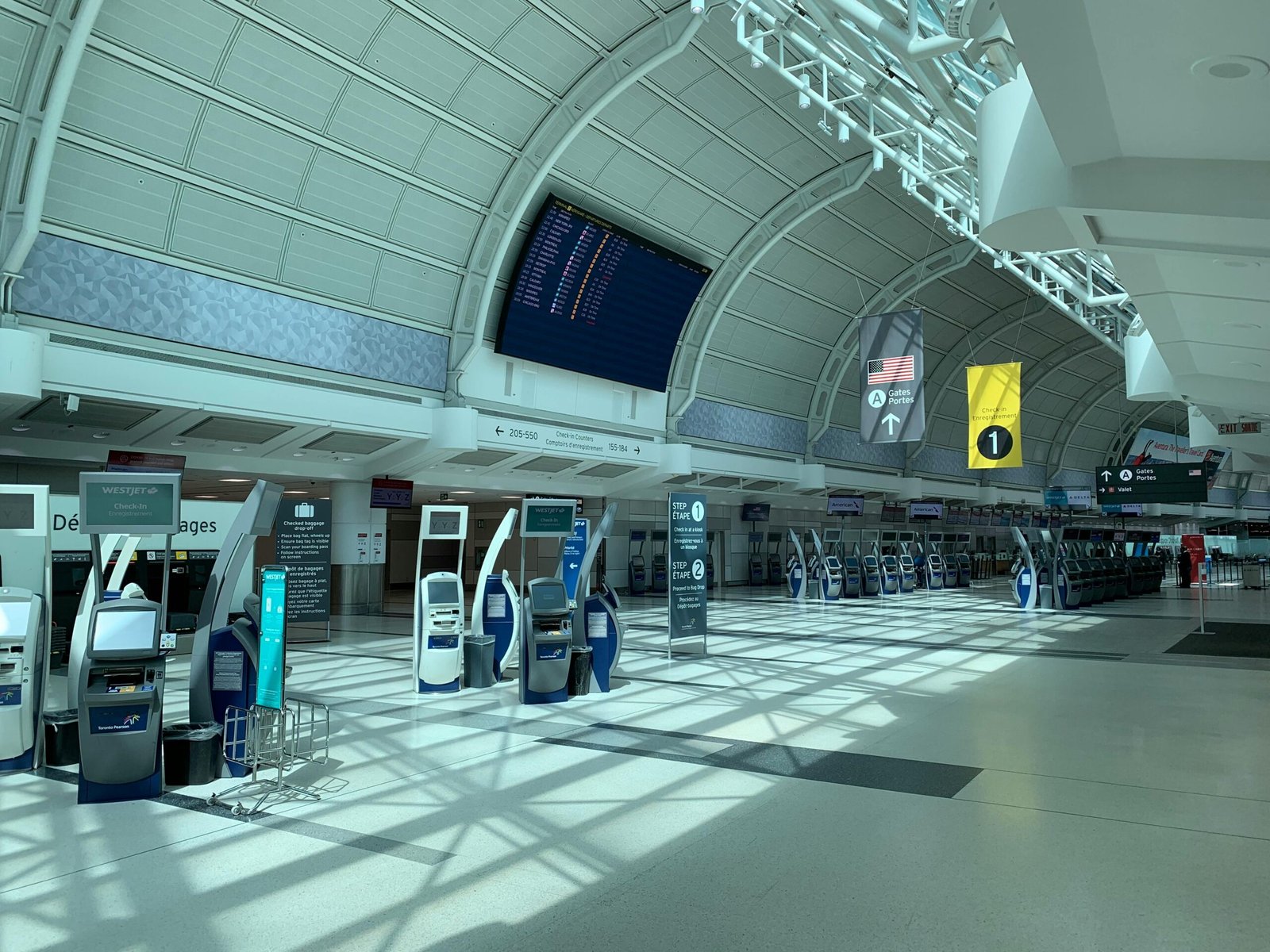
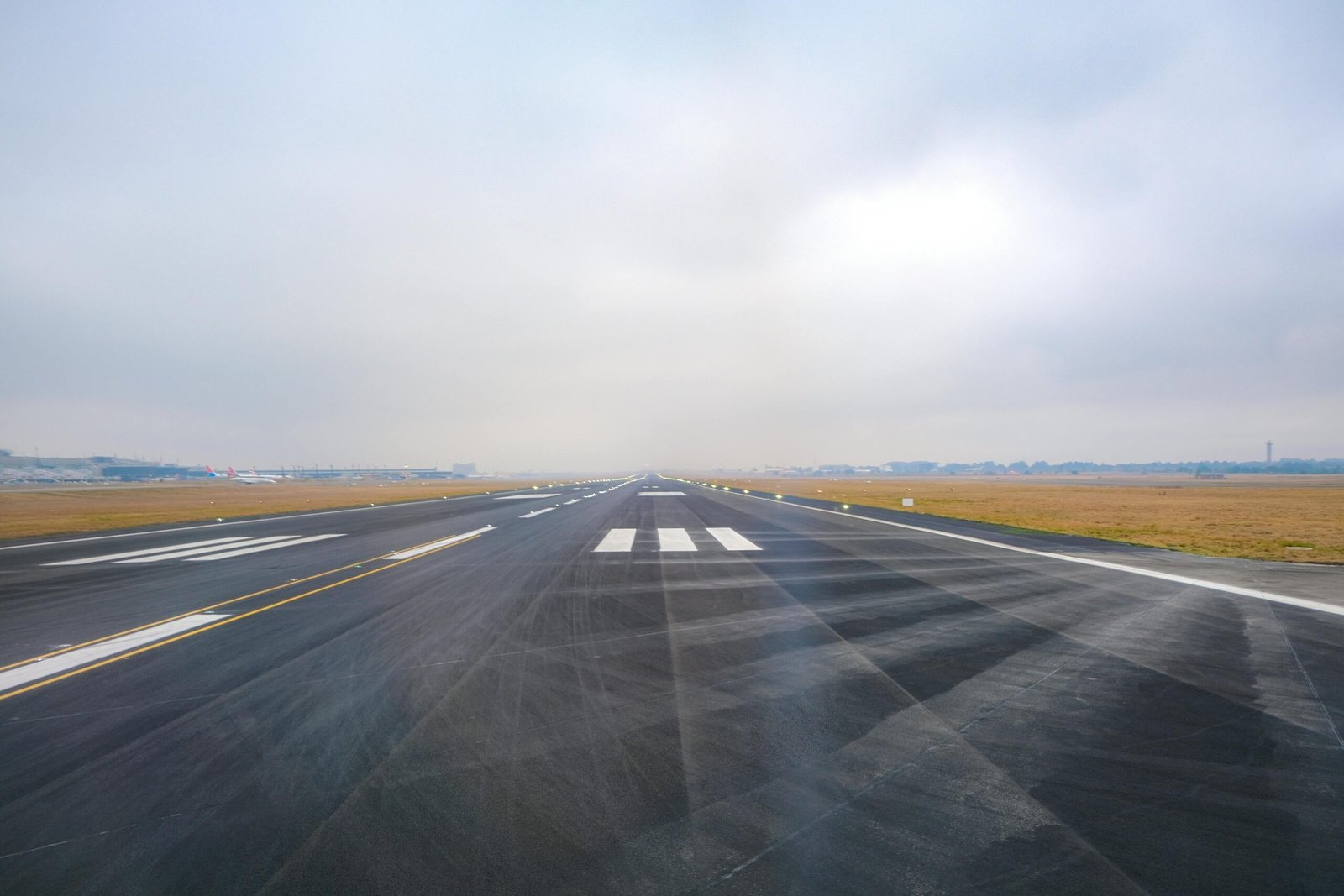
To meet the needs that changing requirements may impose, we always provide a flexible design so that the terminal can be easily reconfigured and expanded upwards or outwards. The construction process includes planning, design and construction and includes a runway for take-off and landing, taxi lanes and terminals as a major component of the airport body.

pexels-brian-james-259645-4524740

Airport Construction

pexels-magda-ehlers-pexels-9873573

The air transport industry provides a rich and challenging space to showcase the culture and beauty of a country, and airports support the role of aviation as a driver of economic and social benefits and the development of efficient and affordable infrastructure in construction and operation.

It is also worth noting that the use of technology plays an important role in the planning, design and improvement of infrastructure.

When planning and designing airports, we always take into account changes in commercial and regulatory environments and potential future scenarios. Airlines’ business models or traffic patterns may change, or changes in security, customs and immigration requirements may require reconfiguration of the terminal space.

rail

Railway Construction

Railway Construction

pexels-hinrich-oltmanns-53938-218136

Track construction

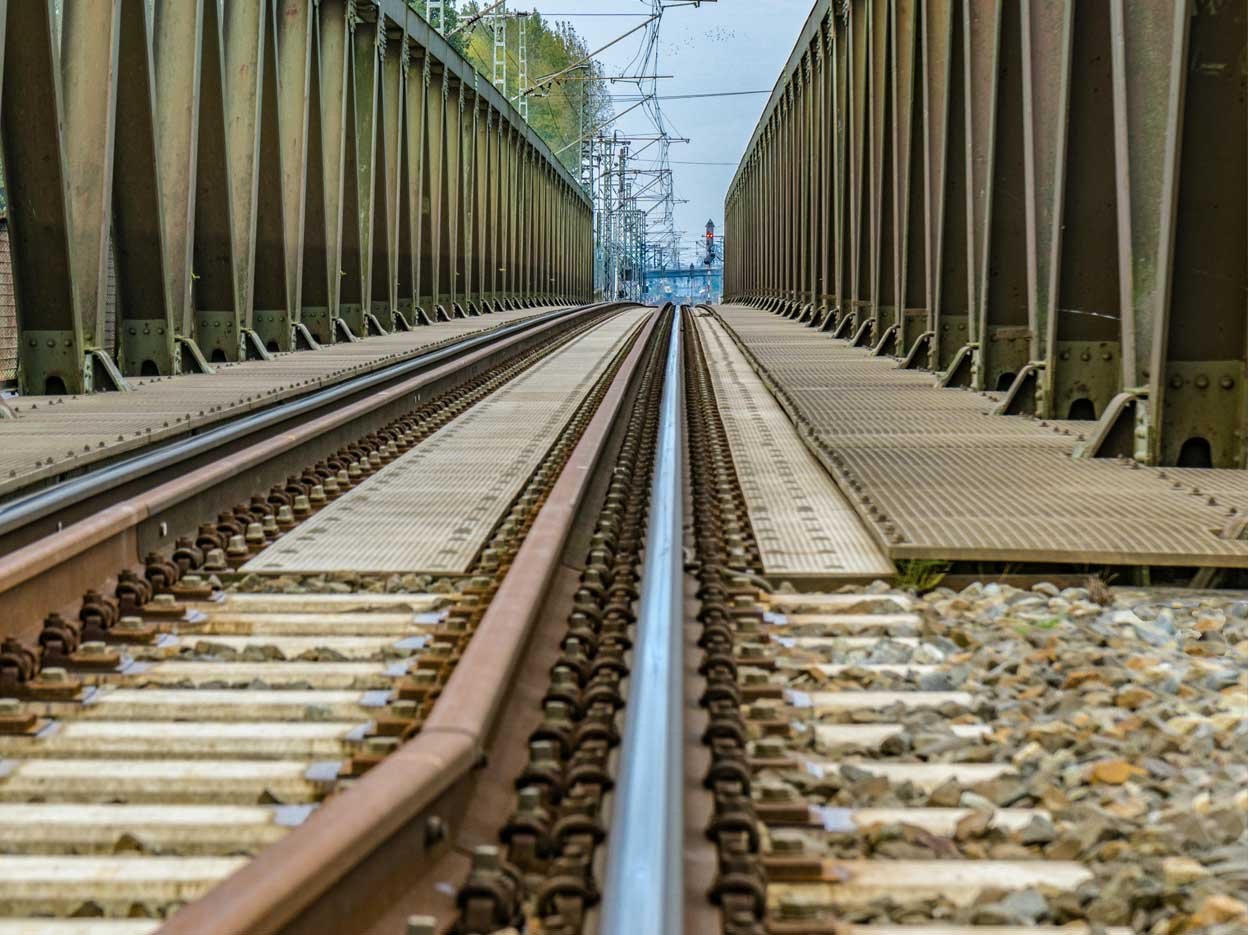
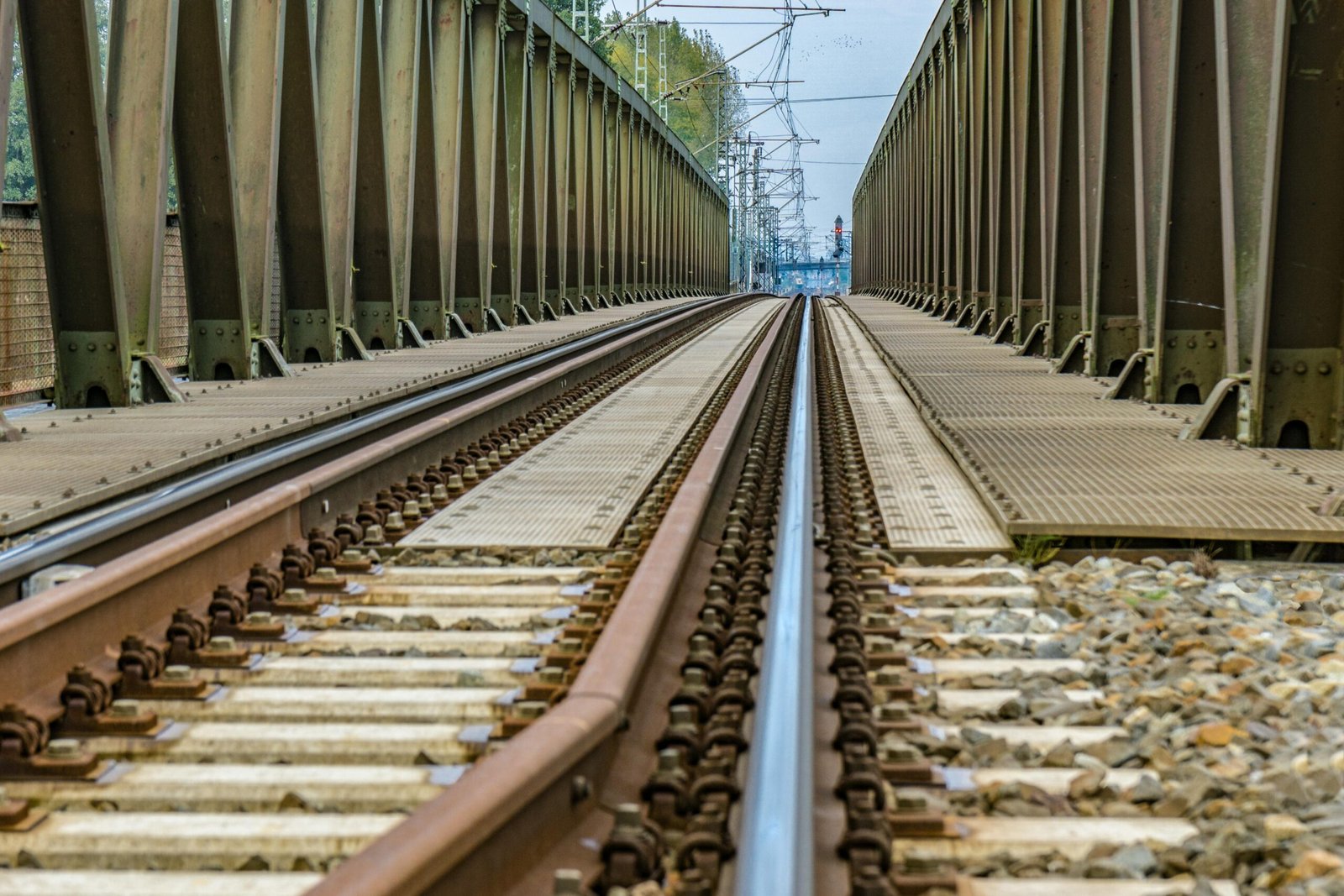
This involves spreading ballast, lifting rails, lining tracks, tamping, and filling ballast.

Station development

This includes designing the layout of stations, depots, andyards.

Electrification and signaling

This involves installing systems to power and signal trains.

Maintenance

This involves ongoing maintenance of the railway infrastructure.

Feasibility studies

This involves assessing the viability of the railway project.

Testing

This involves testing the railway infrastructure before putting it into use.

Other railway infrastructure components

  1. Drainage
  2. Earthworks
  3. Structures supporting or protecting the track
  4. Road bridges
  5. Footbridges
  6. Rail bridges
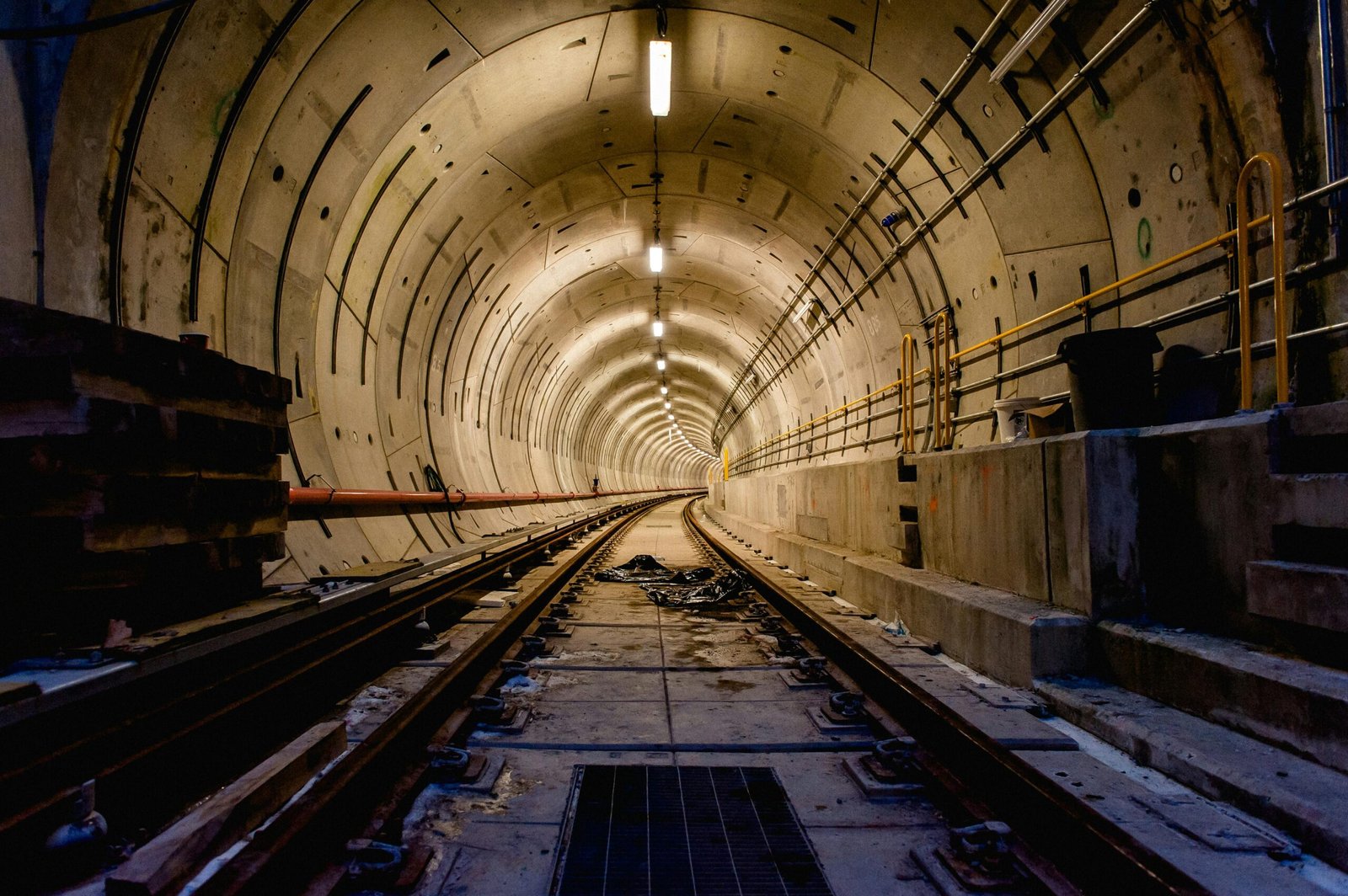
  7. Tunnels
  8. Viaducts

Railway Construction

vecteezy_railway-line-in-the-countryside_28884793

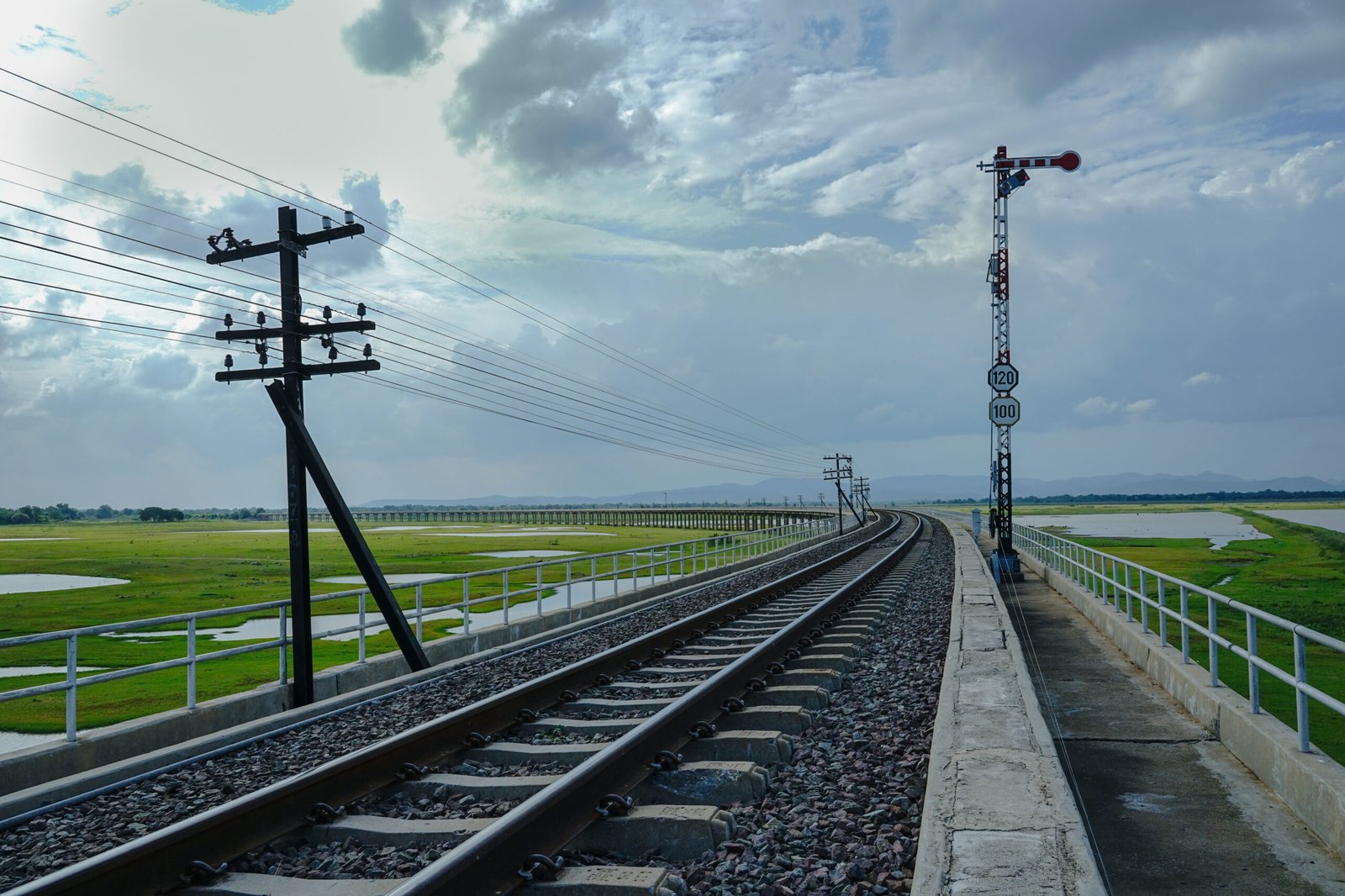
The process of planning, designing, and building railway infrastructure. It includes track construction, station development, electrification, signaling, and maintenance.

pexels-harrisonhaines-10634036
roadm

Road And Bridge Construction

Road And Bridge Construction

pexels-tomfisk-2994173

Key aspects of road and bridge construction:

Planning and design

This initial stage involves surveying the site, determining the best route, designing the road layout, calculating load capacities, and selecting appropriate materials based on traffic volume and terrain.

Site preparation

Clearing the land, excavating earth, and building necessary embankments to create the desired road profile.

Base construction

Laying down layers of crushed stone or gravel to provide a stable foundation for the pavement.

Pavement construction

Applying asphalt or concrete layers to create a smooth driving surface.

Bridge construction

Designing and building bridges to cross obstacles like rivers or valleys, can involve various types like beam bridges, suspension bridges, or cable-stayed bridges depending on the span and load  requirements.

Drainage systems

Installing drainage features like culverts and ditches to manage rainwater and prevent flooding on the road surface.

Safety features

Adding road markings, signage, guardrails, and lighting to ensure safe navigation.

Road And Bridge Construction

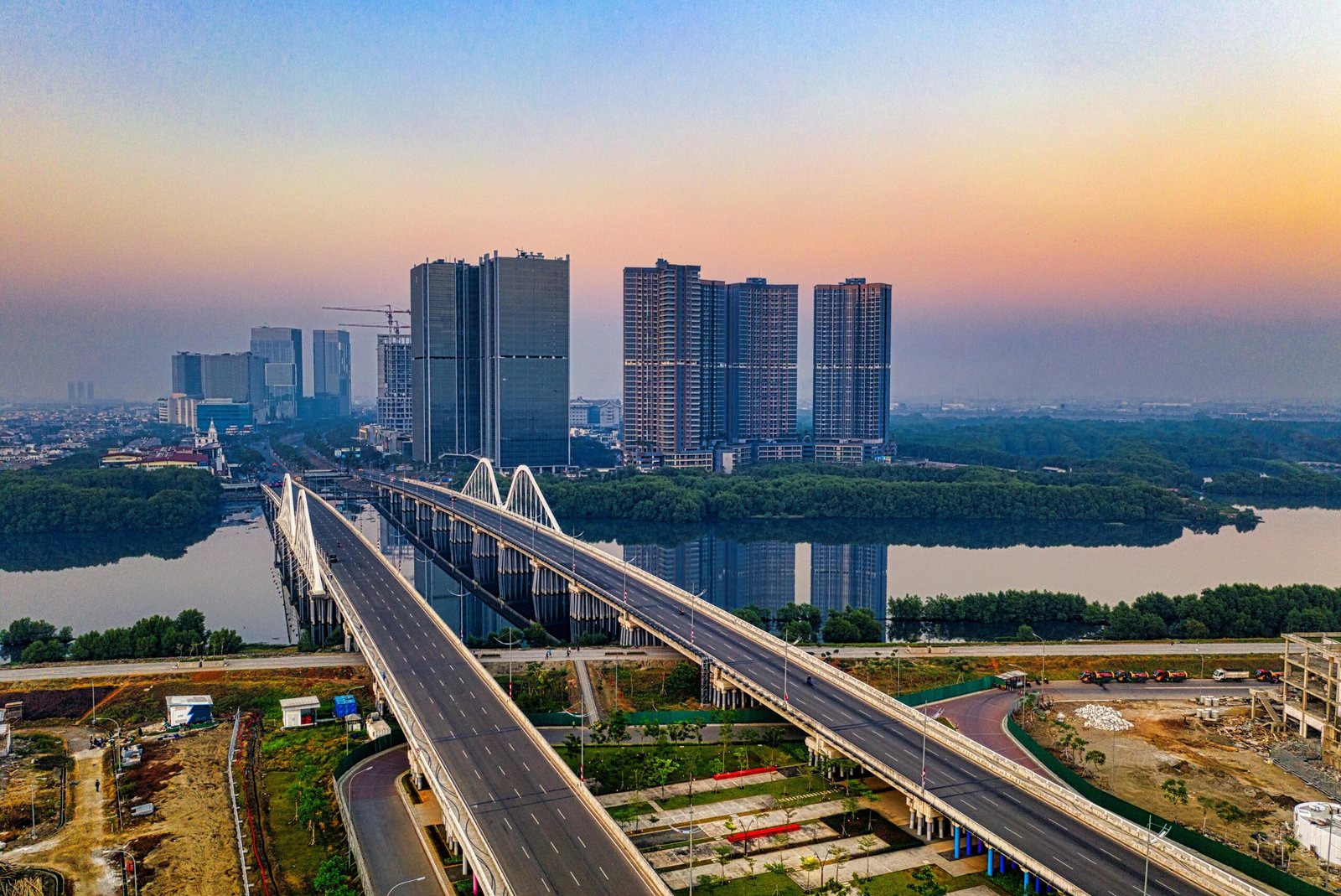
concrete road curve of viaduct in china outdoor

Road and bridge construction refers to the process of building and maintaining transportation infrastructure like roads and bridges, encompassing activities like site preparation, grading, paving, bridge erection, and installation of necessary features to create safe and efficient routes for vehicles and pedestrians, ultimately aiming to facilitate connectivity and support economic development.

We provide optimal quality through innovation and integration of leading-edge global technologies and bring in leading edge technologies from the best in the world, as with all areas of the industry, there is a need always for lower-cost road construction methods, one route would be reduced maintenance requirements, which would both reduce operating costs and minimize traffic disruption on congested networks.

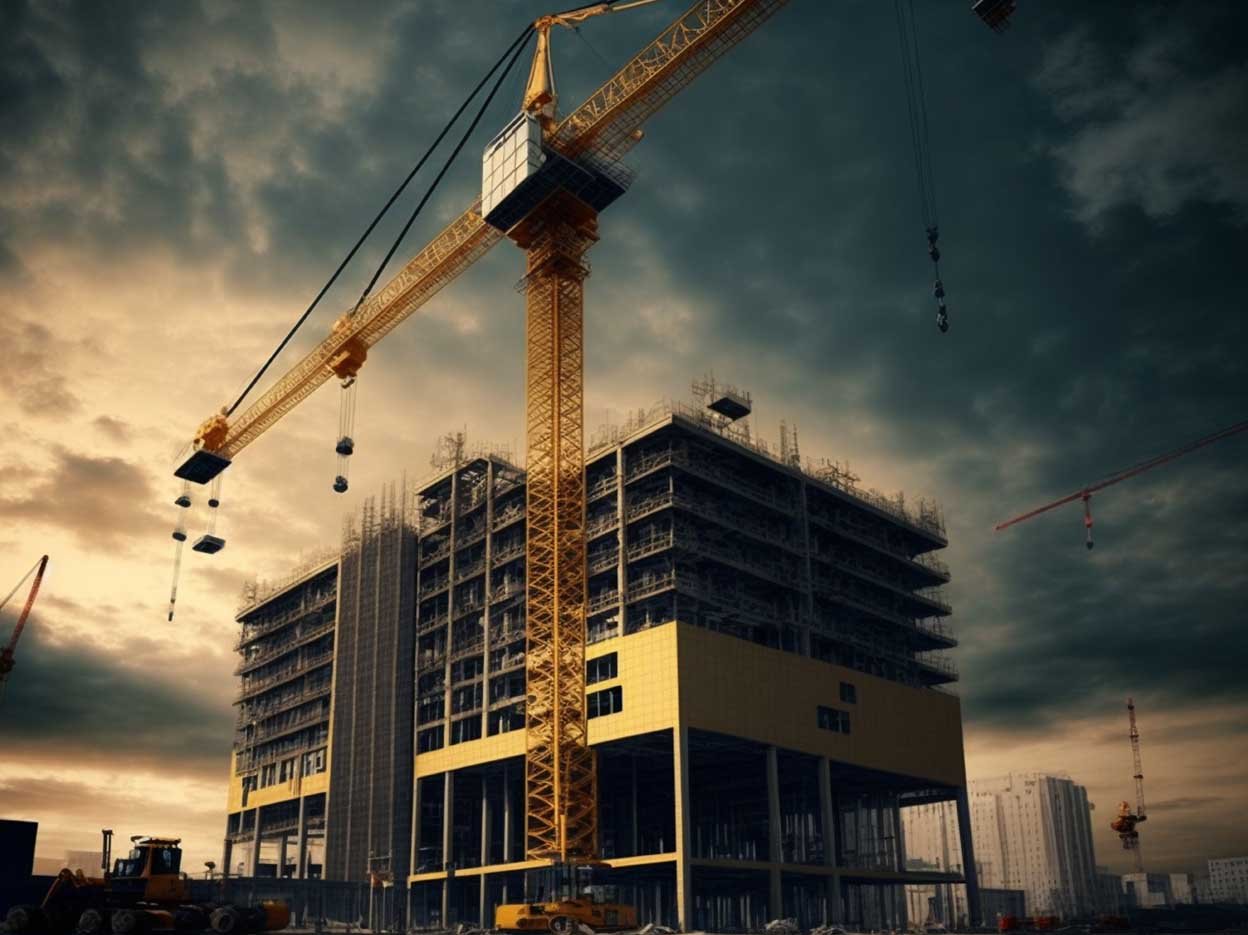
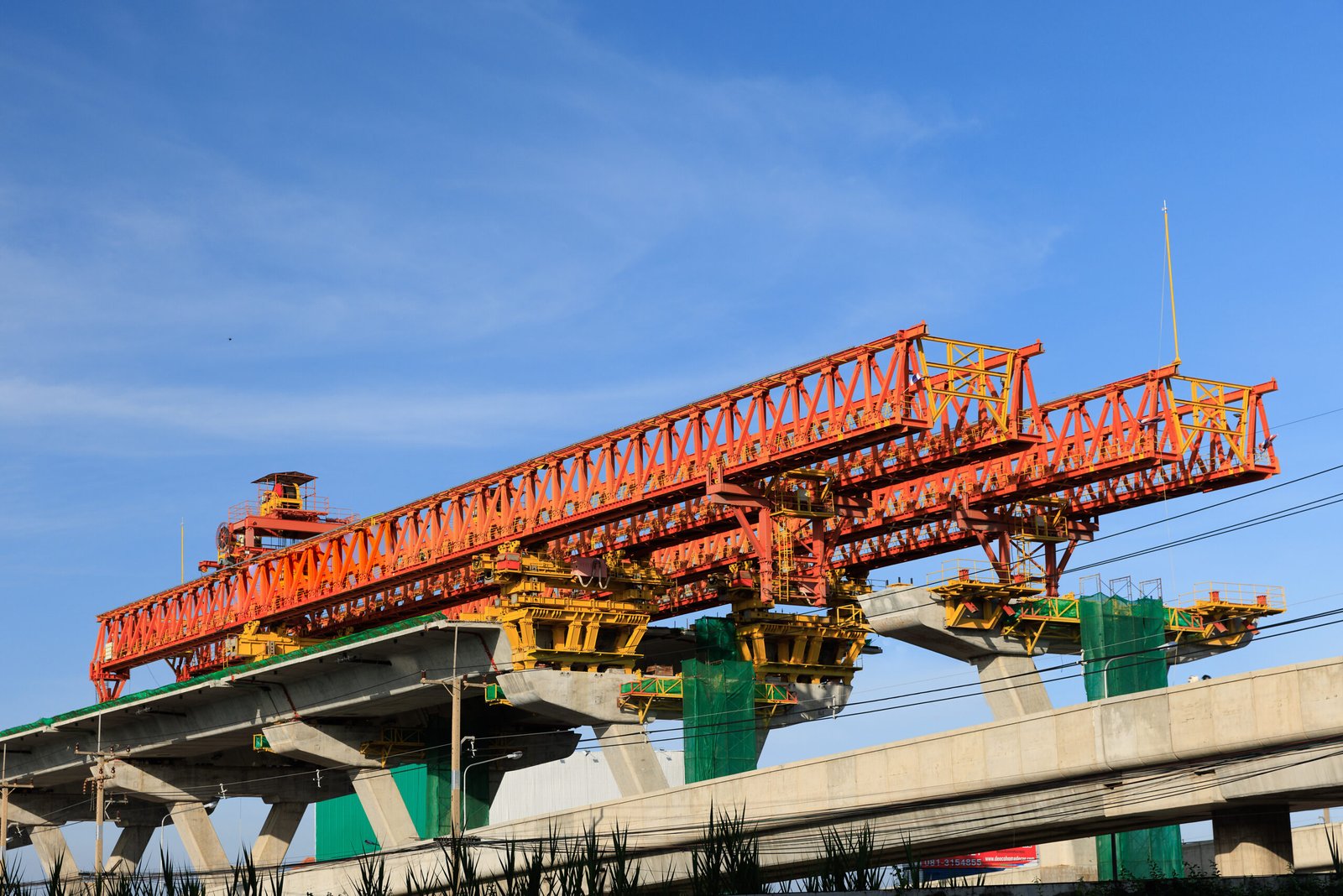
City expressway under construction with huge modern mechanical equipment. Big heavy machine crane on giant pillars during express way building. Transportation infrastructure project concept.
petroleum

Petroleum Derivatives Supply

Supply & Distribution of Petroleum Derivatives

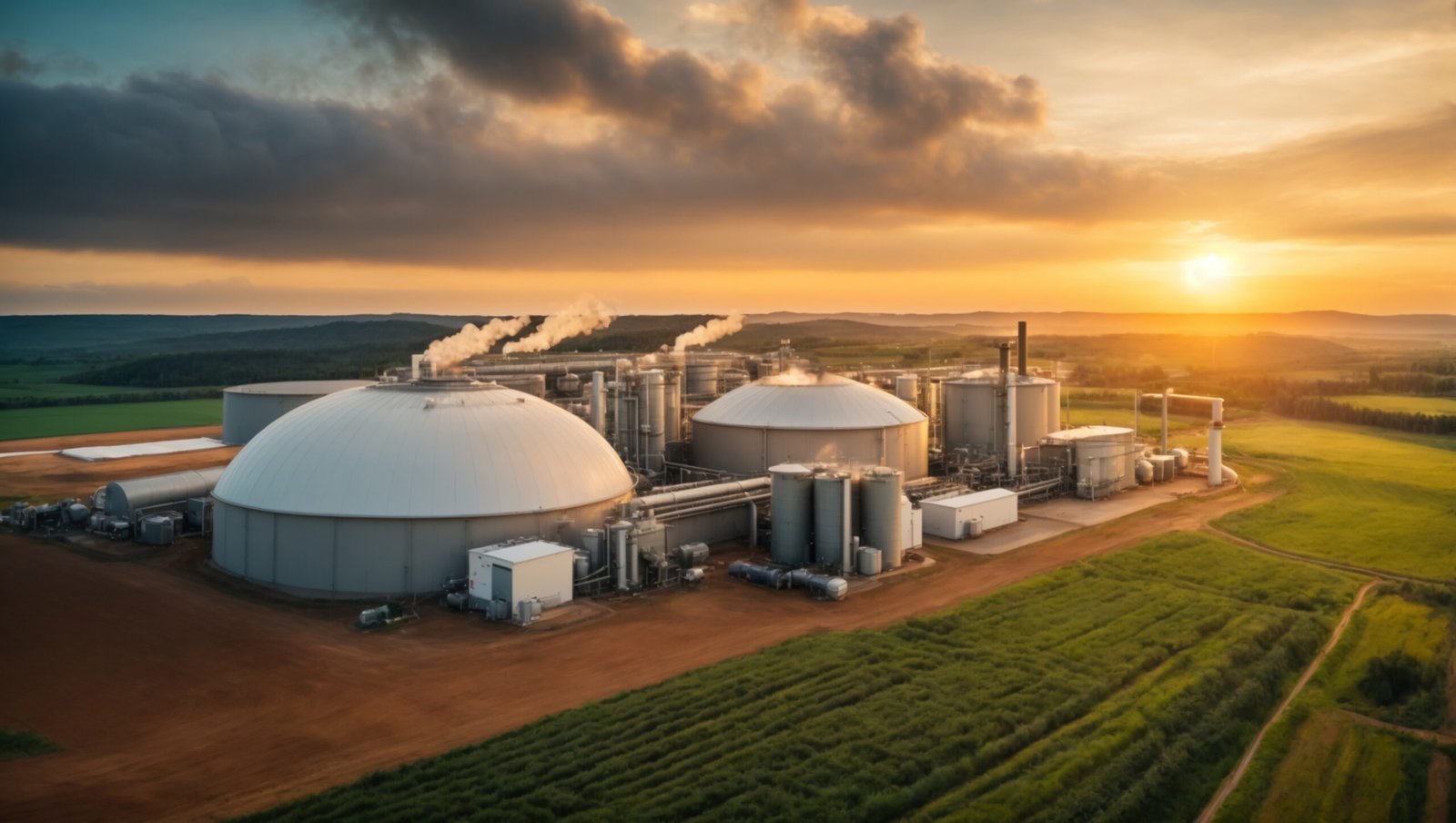
Modern biogas plant between several fields in rural region with sunset background, Bioenergy plant utilizing organic waste, Generative Ai

We are advancing the services in the following fields:

• Exploration for oil and its derivatives and natural gas.

• Importing petroleum products.

• Distribution of petroleum products.

• Establishing, designing and building fuel and gas stations and warehouses.

• Fuel station services.

• Station machines (gasoline, petrol, single and double speed machines, small portable AC, DC pumps).

• Spare parts for stations and machines (pumps, pistols, meters, control screens).

• Measuring and calibration equipment.

• Fuel safety equipment.

Supply & Distribution of Petroleum Derivatives

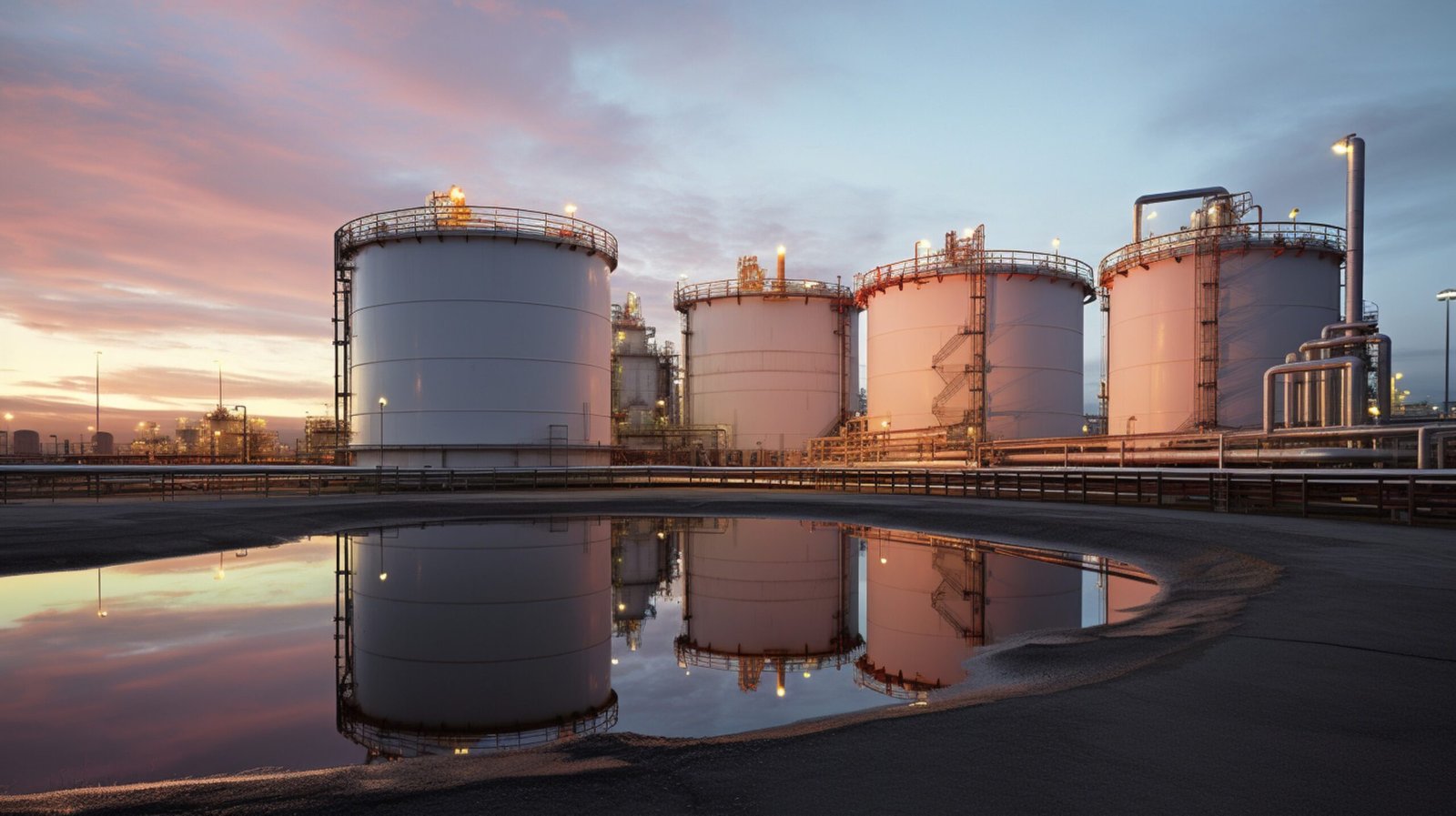
vecteezy_refinery-illuminates-dusk-with-fuel-storage-tanks_32945418

Petroleum services include importing, storing and distributing petroleum derivatives (Gasoline -Gas Oli -Firenze -Jet-A1-AVGAS), which we hope will contribute to covering the needs of the local and regional market for petroleum derivatives, support services, industrial institutions, agricultural projects and mining companies.

The group aims through its plans to meet the needs of the following categories of petroleum derivatives:

Service sectors:

  1. Agricultural and animal sectors and projects.
  2. Health sectors and hospitals.
  3. Ministries and government agencies.
  4. International governmental organizations and other organizations.

Investment sectors:

  1. Institutions, banks and private companies.
  2. Industrial sectors and factories.
  3. Educational institutions and universities.
  4. Mining companies.
  5. Hotels, residential complexes and clubs.
  6. Local and international airlines.